TSHECHUS, FESTIVALS, CELEBRATIONS, & PLACES OF INTEREST
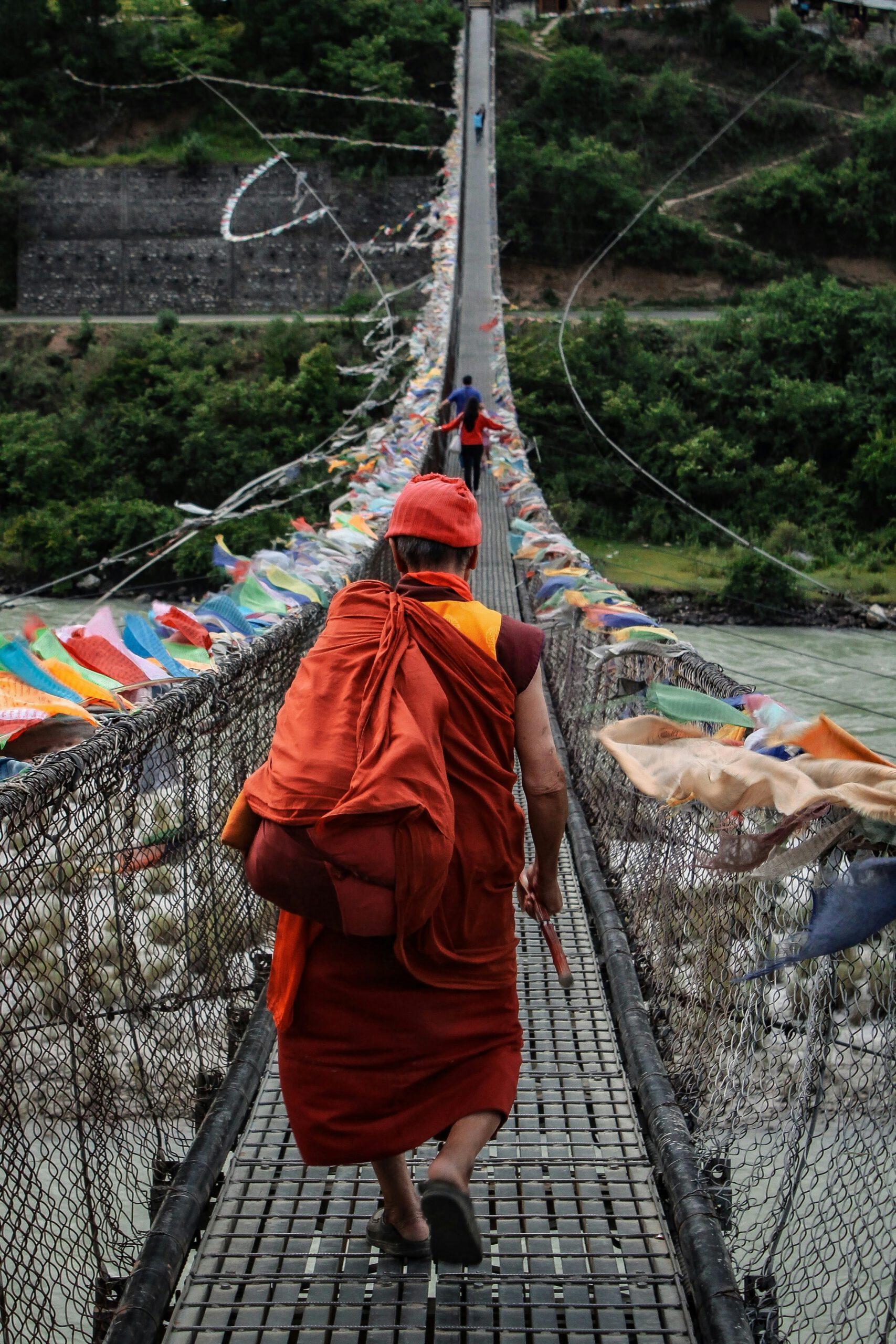
Happiness is a place and that place is Bhutan, often known as a hidden Shangri-La. Small it may appear but Bhutan stands out as one of the few nations where the pursuit of happiness is not an abstract dream but a guiding principle of life. In Bhutan, harmony is more than a value, it is a way of living, guided by the philosophy of Gross National Happiness (GNH). The culture, rich with ancient traditions, spiritual wisdom, and vibrant festivals, weaves joy into everyday life. The rare balance between leadership, humility and compassion of Monarch and people; culture and modernity; humanity and nature; makes Bhutan a true sanctuary of happiness.
1. Tradition and Culture
Bhutan has a profound cultural diversity. The influence of religion, largely Buddhism, is very visible in the everyday life of the Bhutanese people. Values like compassion, respect, and non-violence guide social behaviour. Bhutanese society values respect for elders, strong community cooperation, and generosity and hospitality. Driglam Namzha, the code of conduct or the Bhutanese etiquettes, are the basis of Bhutanese way of life and behaviour.
2. Tshechus & their Tentative Calendar
Tshechu is a religious festival where monks and laymen perform mask dances and women perform folk dances. Tshechus are usually conducted in Dzongs (fortress), monasteries and temples. Tshechus are grand events where entire communities come together to witness religious mask and folk dances, receive blessings, gain merits and socialize. Some major and prominent Tshechus and Drubchens are highlighted below:
3. Theme-based Festivals & their Tentative Schedule
4. Celebrations/National Events
5. Places of Interest
While most of the places of interest located in western and central Bhutan are highlighted in the schedules, there are more places of interest, some of which are mentioned below: